
When a kid gets stuck, the parents usually get stuck too. I coach parents of kids of any age, and young adults themselves.
Book a free consultationSee how I work
Most parents I work with aren't short on advice. Relatives tell them to hold better boundaries. Professionals add a label and a protocol. When we're in crisis with our kids, it's really normal to become myopic, and to keep chasing the next fix.

Behaviors make sense in context. We just can't see the context while we're swimming in it.
People do well if they can. Parents do well if they can too. When something keeps not working, something workable is in the way, and it's often the hardest thing to find.
My part is filtering out the noise and drilling down to a clear read on what's really going on, with the kid and with the parent. What we find is usually quieter than people expect.
Models and techniques are the smallest part of change. Scott Miller and Barry Duncan have been studying that for years.
See clearly
Look at the whole picture before anyone tries another fix.
Build a map
What to try, built for your family.
Adjust as you go
The adjusting is ongoing, so we keep checking what's working.
You have influence that doesn't require your kid's cooperation. That matters most when your kid refuses all help. You can still exist differently with them, and it still moves things.
Every family's setup is different, so we build the structure around yours, including how often we meet and who's in the room.
Parent coaching
For when you're the one ready to change something, even if your kid isn't.
Young adult coaching
For young adults who want help, but don't need another person telling them what their life is supposed to look like.
The family operating document
A few weeks of interviews, then a written guide built for your kid and your parenting style, with scripts and decision rules for the moments that keep going sideways. The family owns it.
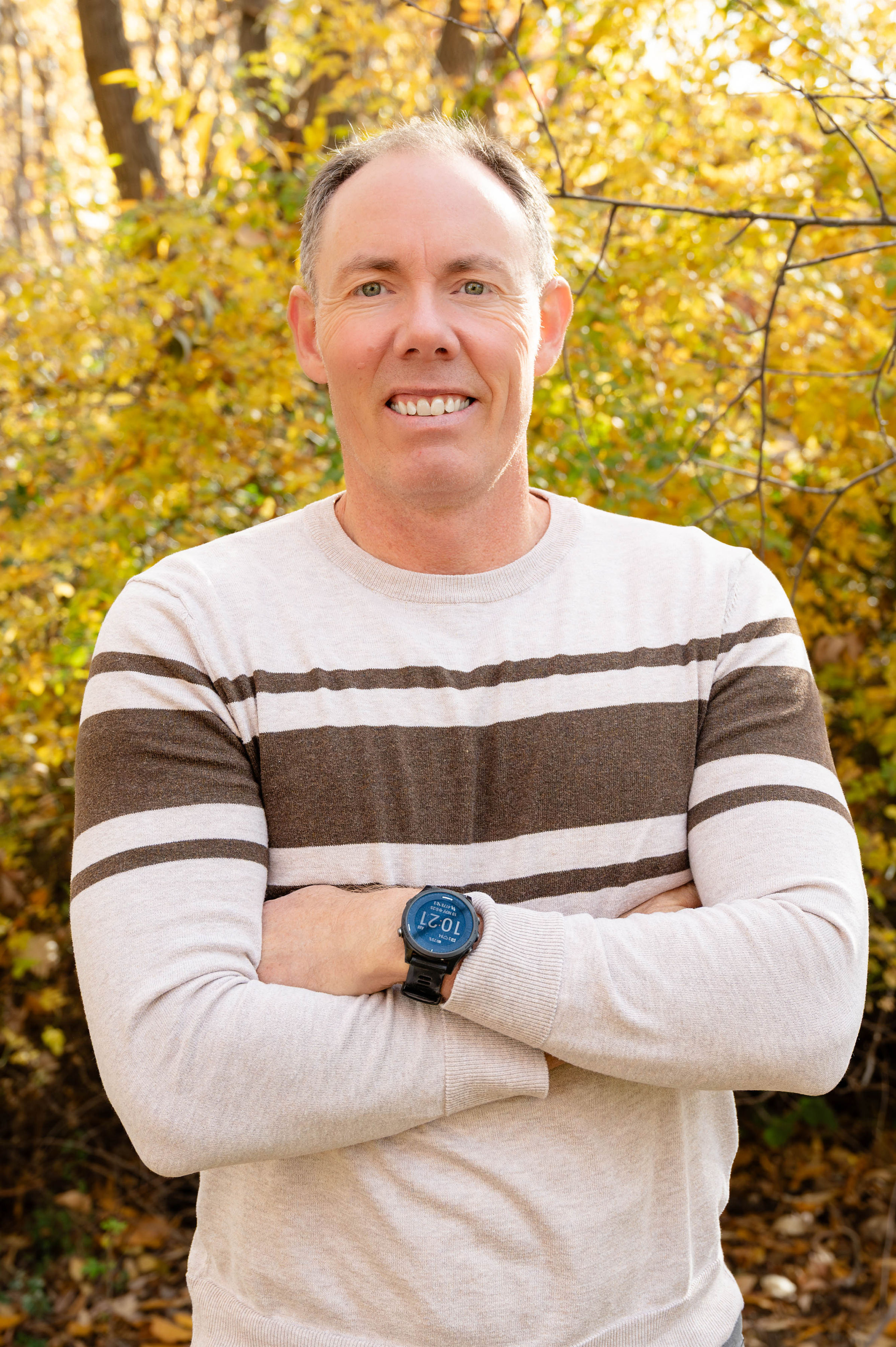
Greg Burnham, LMFT
When I was early in my career, I thought you could shape a kid's habits and patterns, and they would generally stay that way. What I've found is that parent influence is real, and habits built from the outside still rarely last on their own. What lasts is the scaffolding a kid builds for themselves. How to help that happen is the great art. How to think about it when they're young adults is the next great art.
Raising four young adults of my own taught me that managing my own emotions was the primary task. How I worded things, my pacing, a lot of acceptance, changing expectations. A lot of letting go and adapting and asking hard questions of myself. It wasn't a passive letting go for me. It took real effort, and it went better with supportive people around me.
I've had to change a lot along the way. I adjusted my whole style to support one of my kids. I even became a dog person for one of them, which they all still find hilarious.
When I'm not working, I'm usually out on a run, and the best ones are with a good friend, pondering life's great questions. Or I'm deep in a fantasy novel, which gets me out of reality for a while and somehow teaches me more about people.
Twenty-seven years as a therapist and clinical director working with teens, young adults and families, plus hundreds of parent support groups. Licensed marriage and family therapist in Idaho and Utah, working now as a coach.
Book a call and we'll figure out if I'm the right fit.
FOUNDATIONS COACHING
Greg Burnham, LMFT · Boise, Idaho · Coaching nationwide · greg@foundationscac.com
If you're in crisis, call or text 988 or go to the nearest ER.